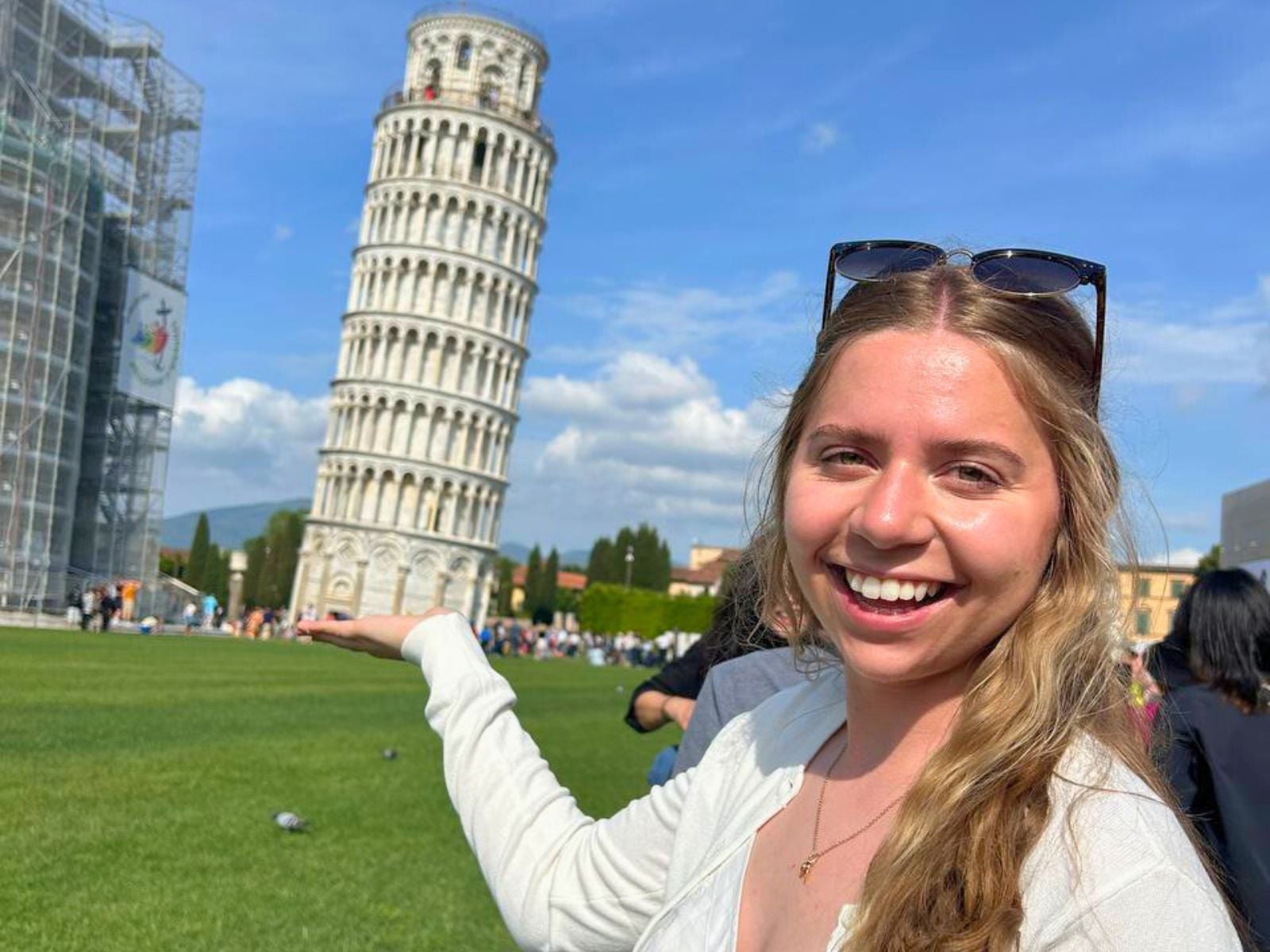
3-Day Combo Tour: Florence, Pisa, Cinque Terre & Tuscany
4.8(3,101)rated 4.8 out of 5 from 3101 reviews 3 days
Free cancellation
from $383.38
Loading experience…
From$13.74per person
Final price, including all taxes and fees
The most important material stems from excavations conducted by the Soprintendenza of Agrigento, the government department responsible for monuments and other treasures.
The collection illustrates the history of the ancient city of Agrigento and its territory from prehistory to the period of Hellenization.
Regional Archaeological Museum Agrigento Entrance Tickets
Contrada San Nicola, 92100
The building, designed by the architect Franco Minissi and inaugurated in 1967, partly incorporates the remains of a Cistercian monastery attached to the church of St. Nicholas dating back to the 14th century. The collections on display come from the resources of the Civic Museum of Agrigento, from acquisitions from private collections and, for the most part, from archaeological research carried out by the Superintendency of Agrigento until the end of the 1980s.
The museum is divided into 17 rooms according to a topographical and chronological criterion. There are two exhibition paths: the first 11 rooms are dedicated to the ancient city of Akrágas/Agrigentum, while the remaining 6 rooms display material from the most important sites in the vast territory of the Central-Southern Antiquities Superintendency of Agrigento, whose jurisdiction extended for a long time also to the provinces of Caltanissetta and Enna.
Today, the Pietro Griffo Regional Archaeological Museum is not only one of the most important museums in the world, an essential stop for visitors who want to fully understand the history of the Valley of the Temples, but also a lively cultural center, with frequent temporary exhibitions, concerts and educational activities.
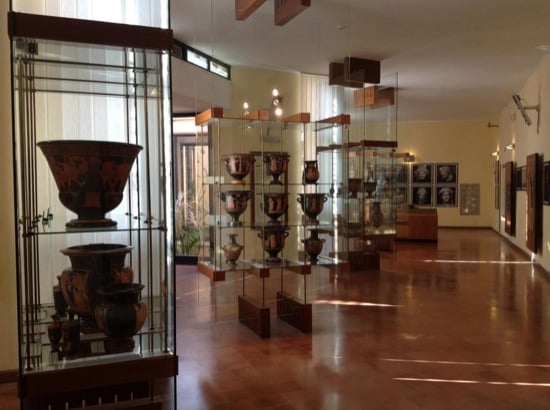
Regional Archaeological Museum Agrigento Entrance Tickets
Contrada San Nicola, 92100
Surrounded by an impressive natural scenery, the Agrigento Regional Archaeological Museum, named after Pietro Griffo, is located in the Valley of Temples, and occupies the ancient Cistercian abbey of San Nicola, and an extension building realized in the ‘60s.
The extension was designed by the viterbian architect Franco Minissi. It exhibits archaeological artifacts from the Valley of Temples and other excavations carried out in the provinces of Caltanissetta and Agrigento over a wide span of time, about 5,000 years, ranging from prehistory to Roman and Byzantine culture. The entrance courtyard is set on the border between the abbey and the new building. Here, very distant ages seem to come together and establish a quiet dialogue. The wise use of traditional materials establishes a connection and the archaeological artifacts are displayed without being sensationalized.
Minissi’s museum is settled on a single level, following a continuous path interspersed with relax areas, bordered by walls which open towards the surrounding landscape or onto small courtyards, allowing the natural lighting of the exhibition spaces. The external surfaces are plastered with warm colors, to integrate themselves with the colors of the archaeological artifacts. They are also characterized by the presence of expressive iron gargoyles.
The museum is organized into twenty-one rooms, which host permanent exhibition spaces or temporary exhibitions and a library. Minissi, translating the theories of Cesare Brandi into his museography project, prepared a building that can be seen as a tool for displaying the artifacts kept in luminous showcases designed by the architect himself, according to modern museological exhibition criteria.
The heart of the complex is room VI, a double height space, which houses the imposing Telamon from Olympeion, a sculpture recomposed in the Nineteenth century, which used to be part of the huge temple of Zeus in Akragas, dating back to the V century BC.
Operated by weekend a firenze
Free cancellation
from $383.38
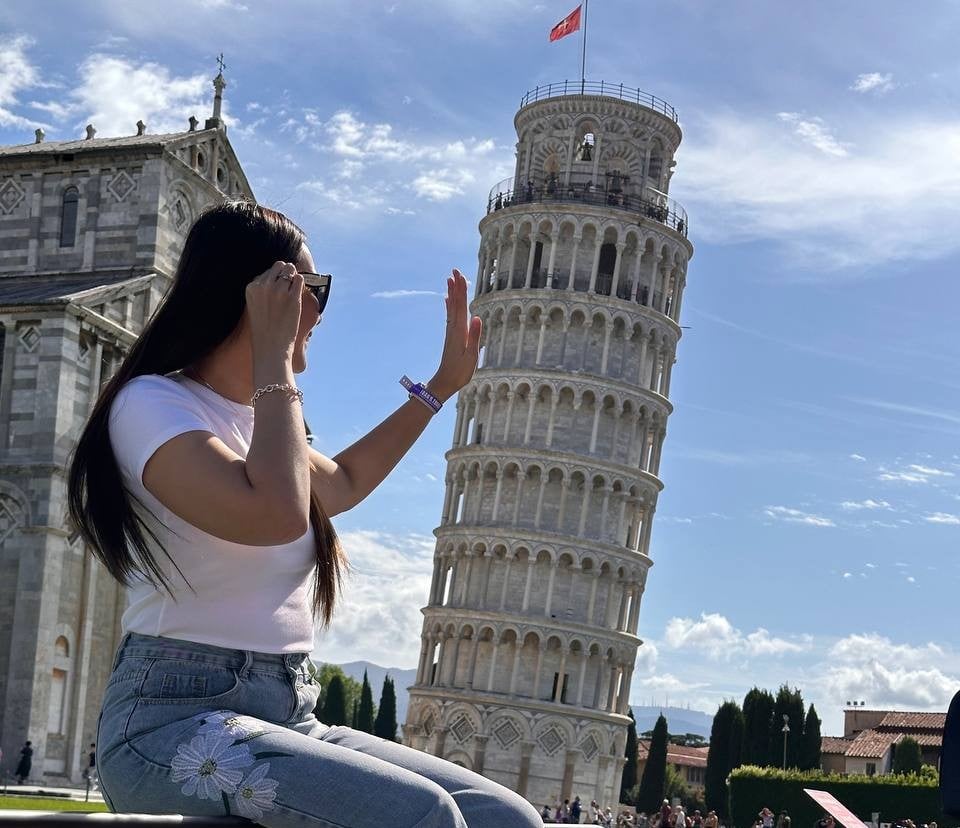
Pisa
Free cancellation
from $230.69
Free cancellation
from $340.54
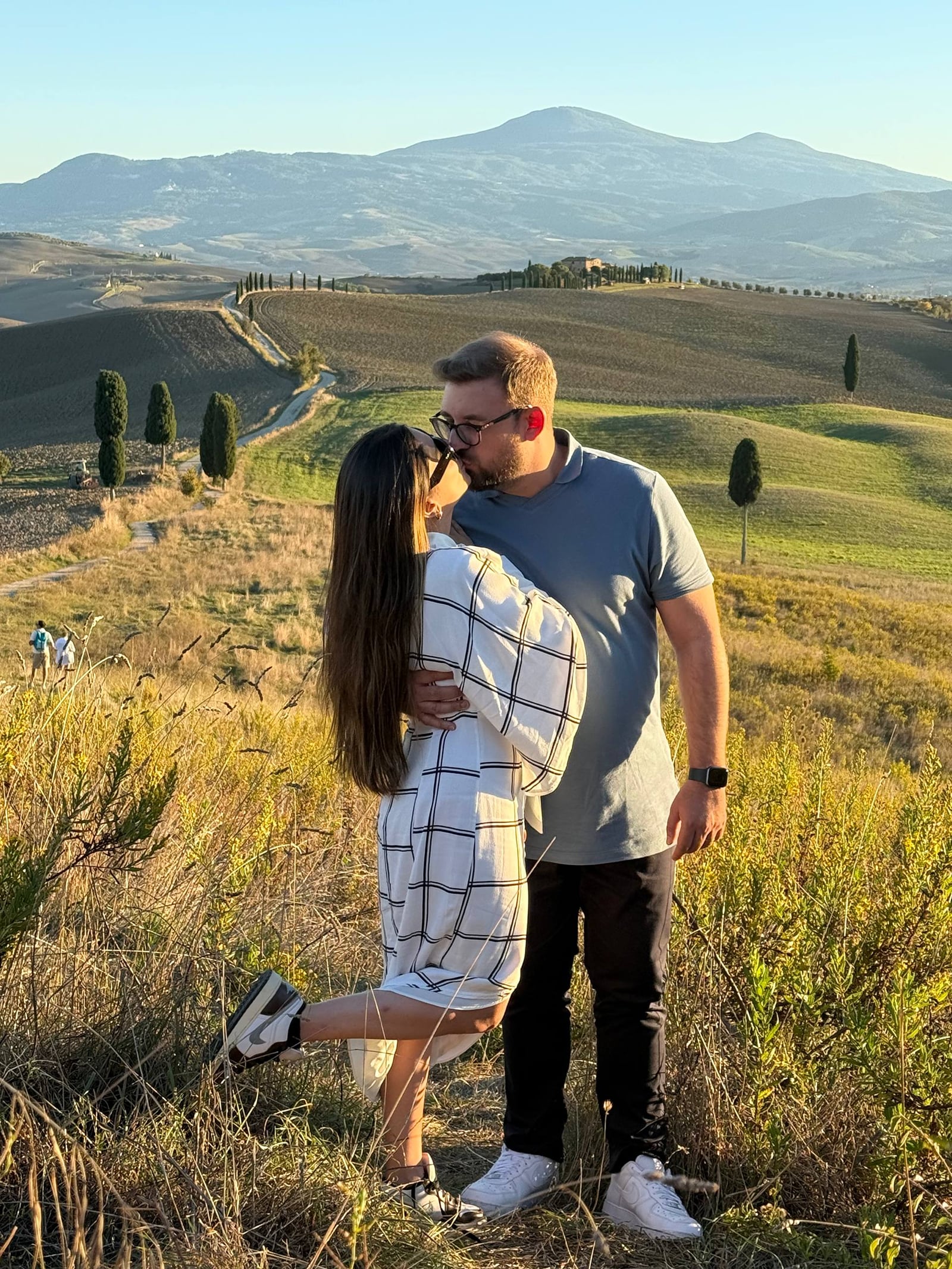
Pienza
Free cancellation
from $494.33

Florence
Free cancellation
from $164.78
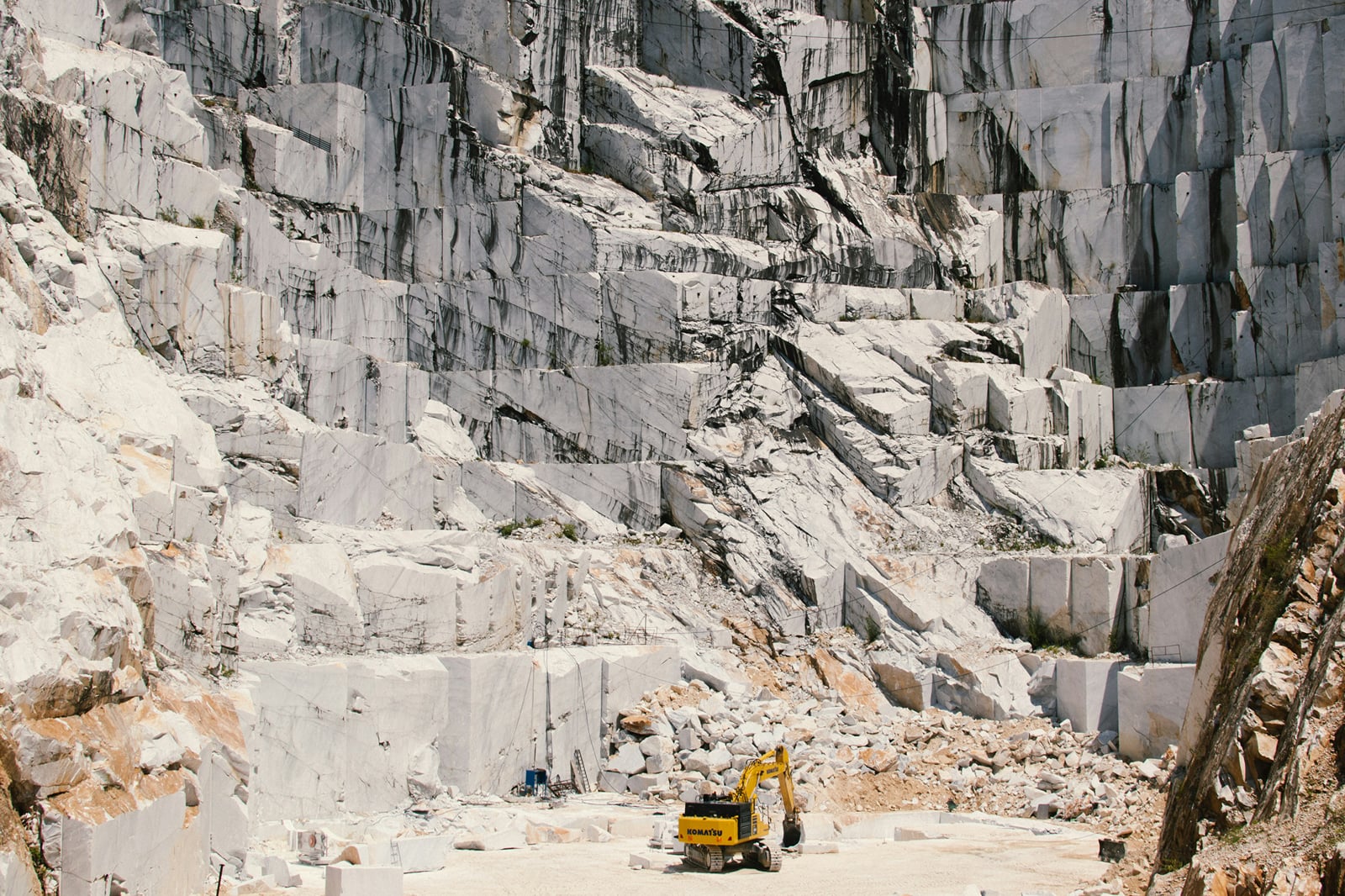
Carrara
Free cancellation
from $181.26
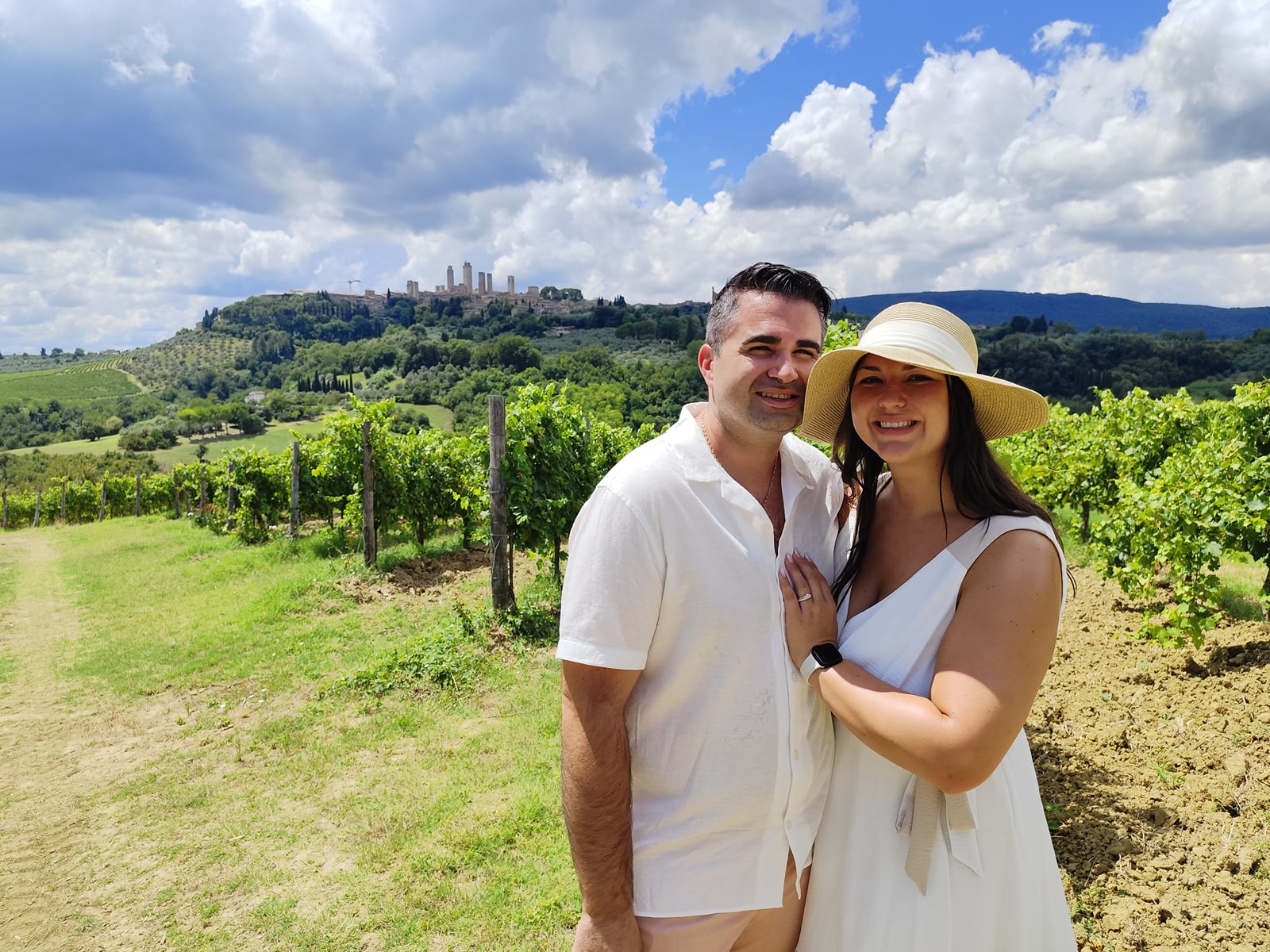
Florence
Free cancellation
from $571.23
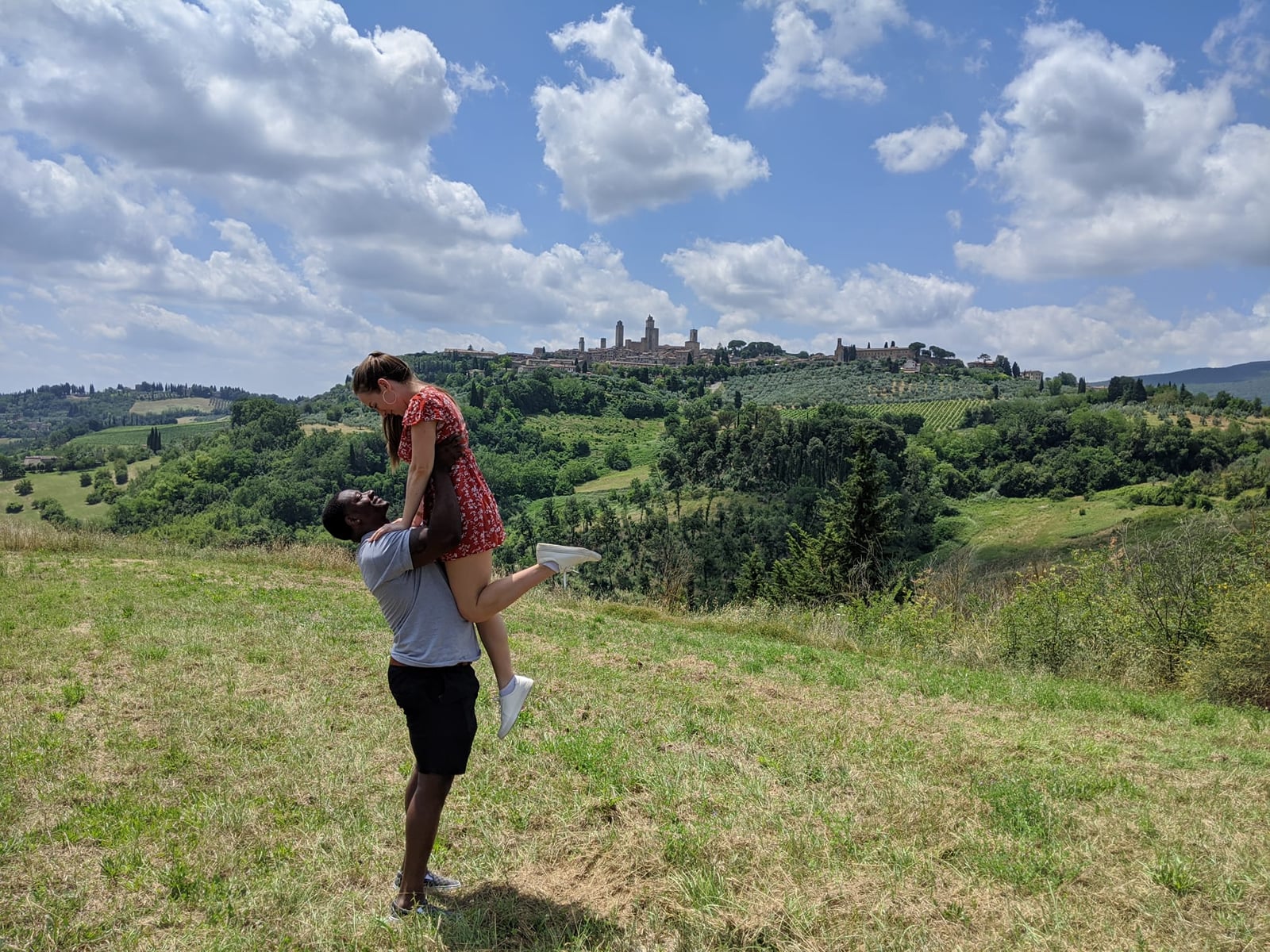
San Gimignano
Free cancellation
from $604.18
from
$13.74 per person