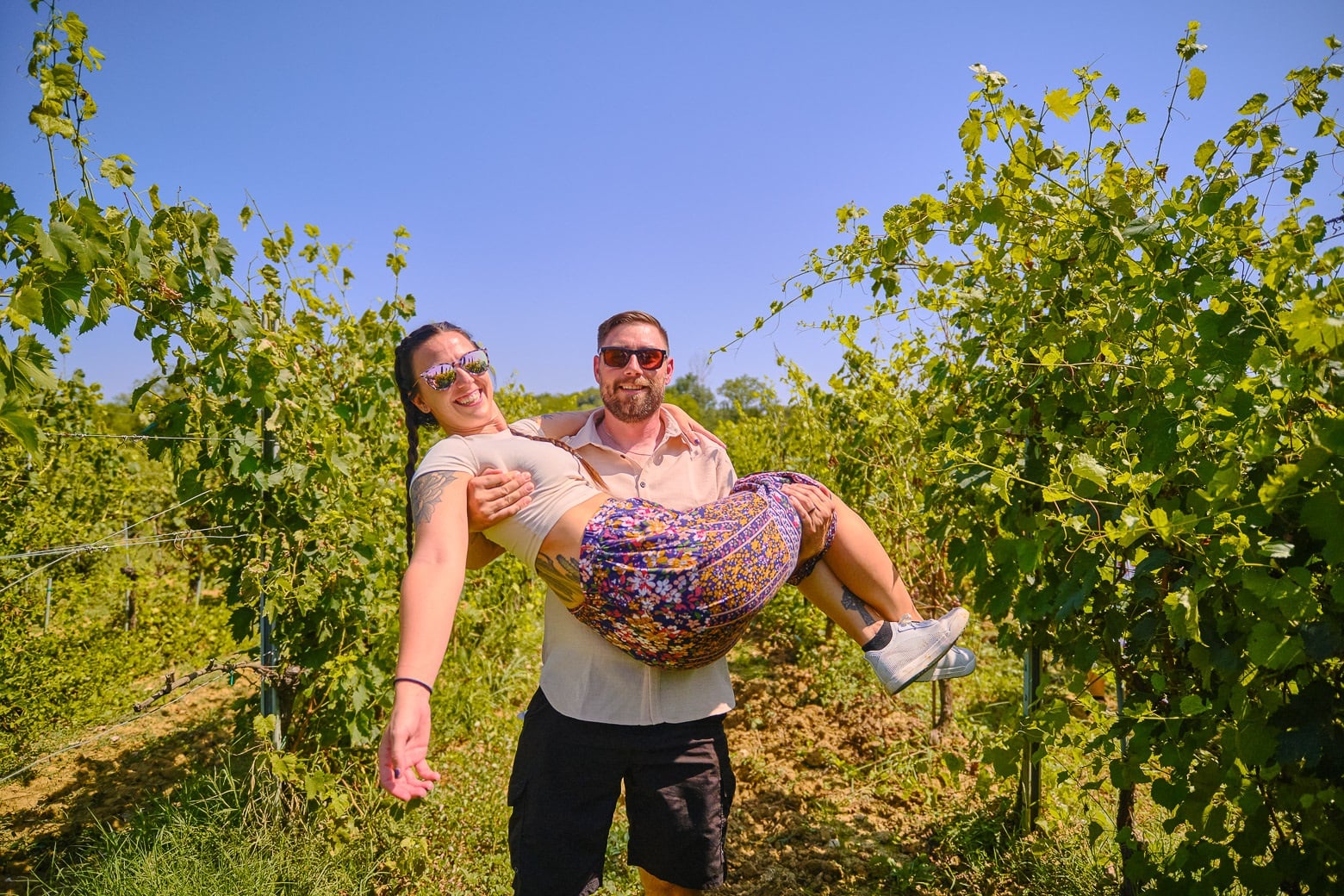
Florence
Pisa, Siena and San Gimignano Day Trip with optional Lunch & Wine Pairing
4.8(7,671)rated 4.8 out of 5 from 7671 reviews Full day
Free cancellation
from $51.31
Loading experience…
From$218.61per person
Final price, including all taxes and fees
Beginning near Piazza del Duomo, explore the forces that shaped Milan's rise: religion, commerce, political ambition, and military strength.
Continue to Piazza Mercanti, the historic heart of medieval civic life. Discover how Milan developed into a prosperous self-governing commune.
Visit the Basilica of Sant’Ambrogio, one of Italy's most important Romanesque churches. Learn how faith and political authority became closely intertwined.
At Sforza Castle, follow the story of the Visconti and Sforza dynasties, whose ambition transformed Milan into a powerful territorial state.
As you walk through the city's historic streets, learn why the city became a strategic crossroads between northern and southern Europe and how its influence extended far beyond Lombardy.
The tour concludes with the transition from the medieval world to the Renaissance, revealing how Milan evolved into a center of art, culture, innovation, and political power whose legacy remains visible throughout the city today.
Stop 1
Puerto de Mogan
We will begin the tour at 9:00 AM promptly heading south west to Mogan village. Because we have so much to see today, we will not be visiting “Puerto de Mogan”, but instead pass by the small village of Mogan. We will stop for photos at the “Molino de Viento” also name “Molino Quemado” (burnt Mill). As you might have guessed from its name, it was burnt down but has been restored to its former beauty, working parts and all, thanks to the Mogán City Council and the local neighbourhood association.
Stop 2
Gc-200, 35140 Mogan
This natural rock formation was formed 13 million years ago when the steak and gas from a volcano reacted with iron in the rock producing beautiful red, blue and green tones. Locals called it “los azulejos” because of their resemblance to the glazed tiles walls of San Nicolas de Tolentino. We then continue our route along the wild and rocky west coast.
Stop 3
35479 GC
In Puerto de la Aldea we will make a stop at the only easily accessible beach in the area to take
pictures. Then, we will visit the large pond called "El Charco";. There, hordes of people celebrate the ever popular ”Fiesta del Charco” every September, and it is always a comforting stop off on our journey. When there are no fiestas on, the still waters reflect the calm and brightness of the municipality itself, and the deep roots of its history. A time long ago, early aboriginal dwellers set up a series of settlements here, some of which are said to date to before 500 years B.C. Beyond this point there is a long drive along the impressive cliffs where we can stop for photos on our way to Agaete.
Stop 4
Puerto de las Nieves
It’s time to go now to the picturesque fishing port of Puerto de las Nieves in Agaete. You will admire the blue and white houses on the natural pebble beach. This area of the island is much loved and visited by all the islanders. Its main tourist attraction is the fishing village of Puerto de Las Nieves, probably because it is one of the parts of the island that has maintained 100% of its essence. The Port of Las Nieves is in the coastal area of the municipality. In the Port of Las Nieves one can appreciate the Roque Partido (Broken Rock) or Dedo de Dios (God’s Finger), a symbol for the people of Gran Canarian.
Stop 5
Agaete
Agaete also has some of the most popular natural pools and beaches of the northern part of the island. We will walk on its picturesque maritime walk and stop in the Natural pools (If you want to swim, don't forget your swimwear!).
Stop 6
Arucas, Gran Canaria, Arucas
The next stop is Arucas with its iconic neo-Gothic church “Inglesia de San Juan Bautista” constructed in 1909. We will see the Church (exterior), one of the most characteristic icons of Gran Canaria. This parish Church is named “San Juan Bautista”, though the locals usually call it by mistake the “Arucas Cathedral”. The reason why people commonly call this church a cathedral is because it is so large. It is majestic and grandiose and stands high above the rest of Arucas and, indeed, the surrounding area. In fact, you can see the main tower from well outside the town. This church is neogothic style and it was started to be built in 1909 and finished officially in 1977. They say that it was built by hand, with any type of mechanic or technologic help. It is completely sculpted with the centenary stone of Arucas. We will then drive along the capital, las Palmas, on our return to the south. We will arrive at 6:00 pm approximately.
Operated by Cognosimo
Cancel up to 24 hours before the start time for a full refund. Cancellations after that, or no-shows, are not refunded.
How cancellations and refunds workFlorence
Free cancellation
from $51.31
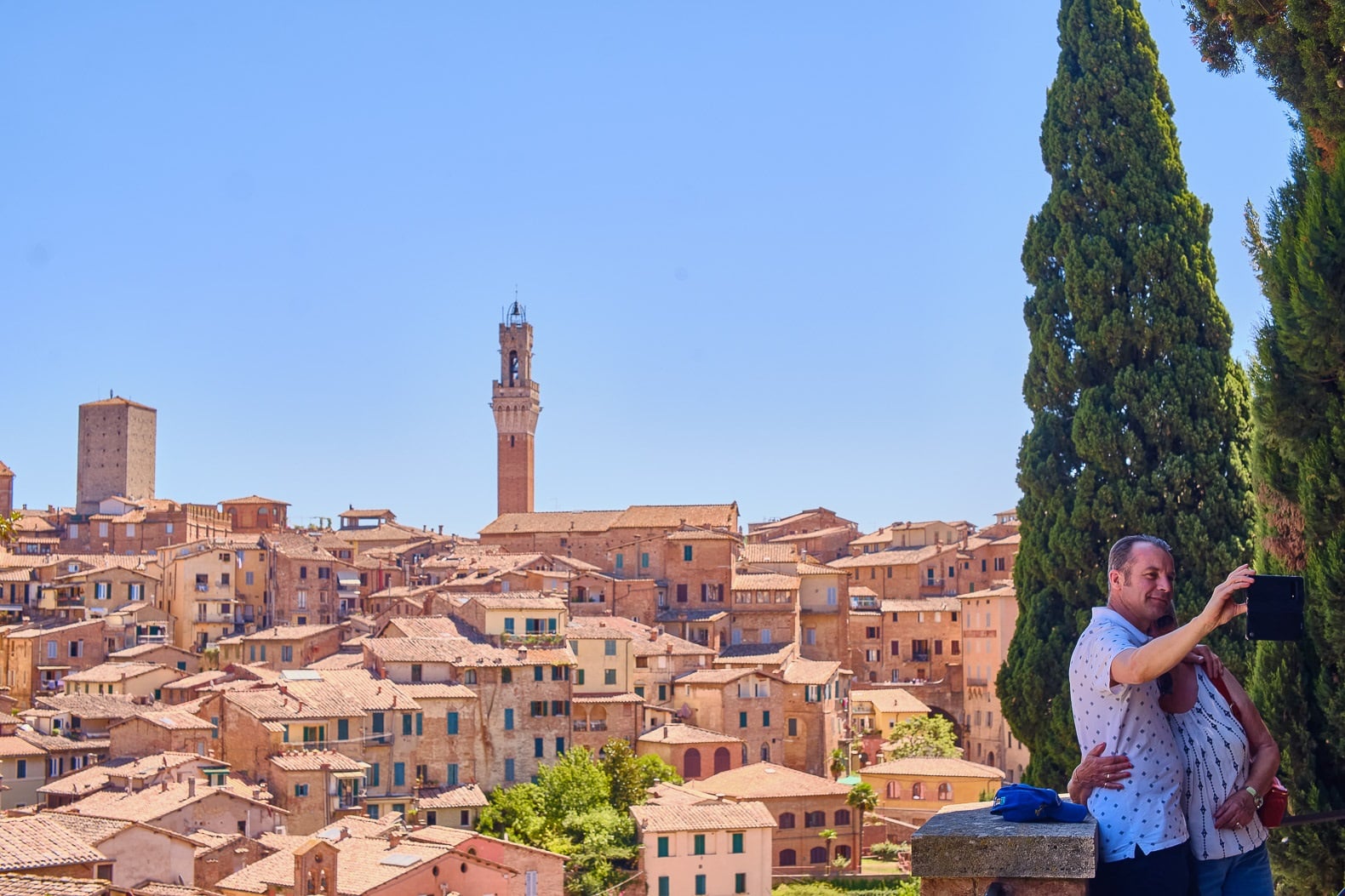
Florence
Free cancellation
from $71.41
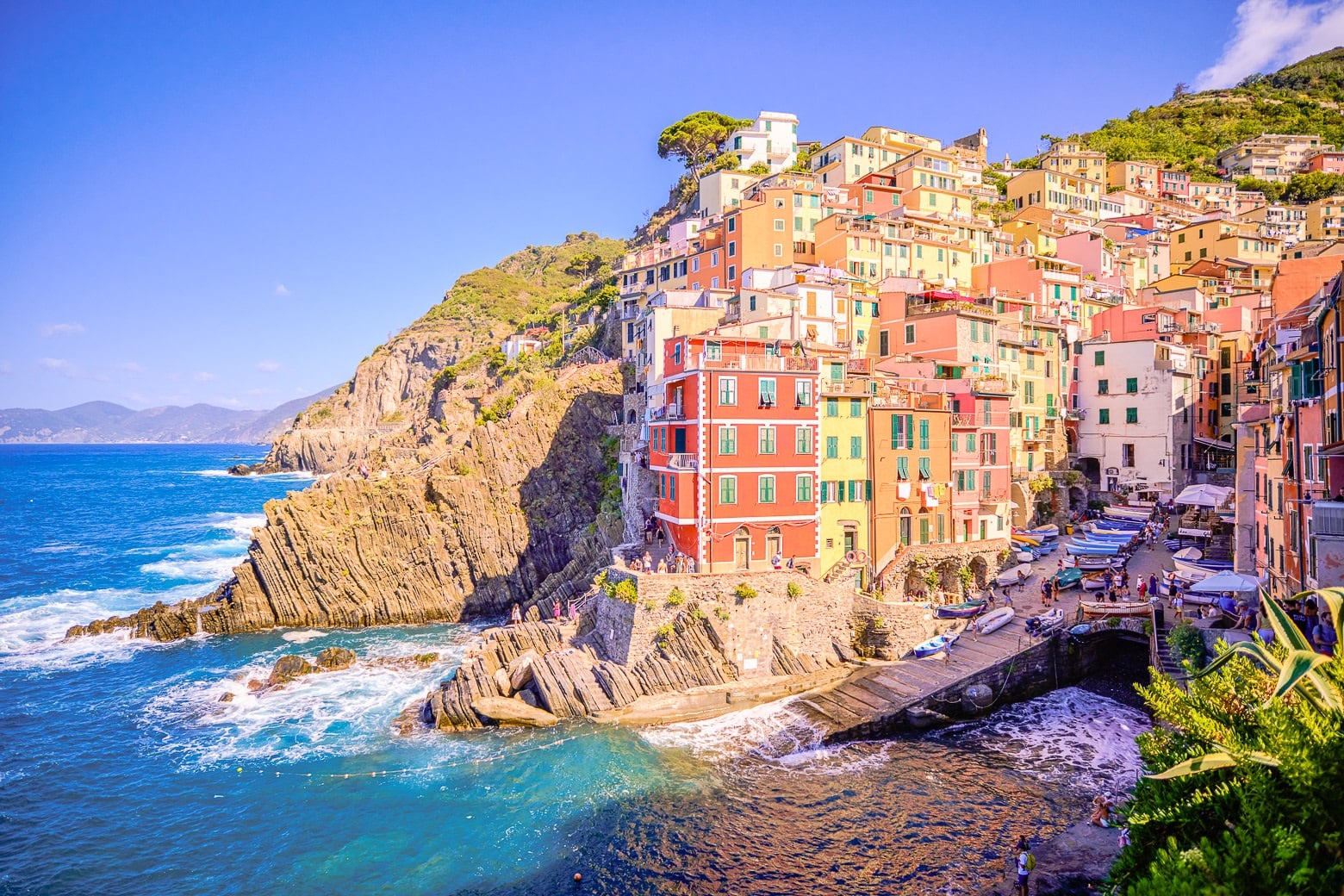
Florence
Free cancellation
from $64.82
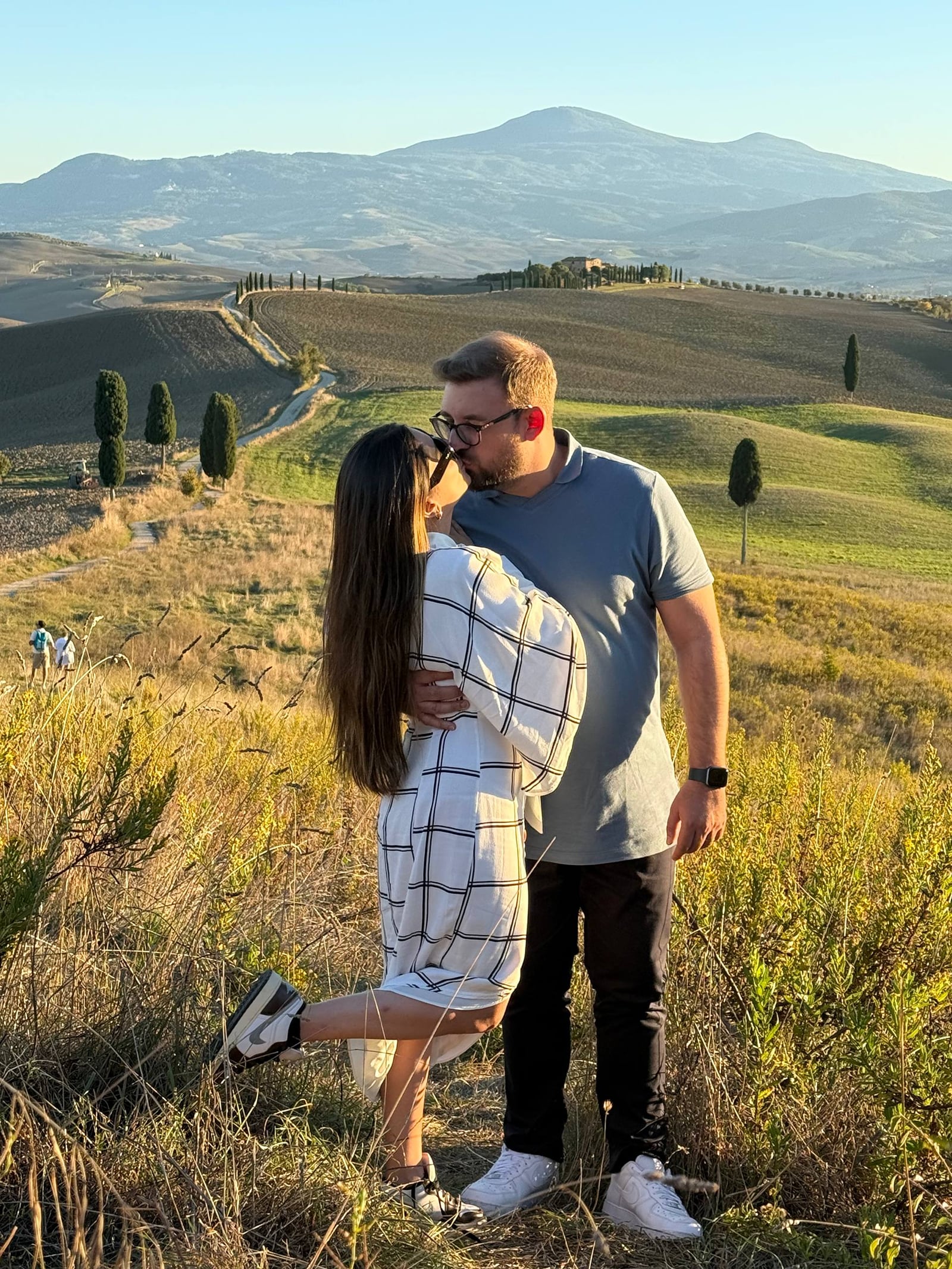
Pienza
Free cancellation
from $494.33
Free cancellation
from $340.54
Free cancellation
from $383.38
Pisa
Free cancellation
from $230.69
Florence
Free cancellation
from $164.78
from
$218.61 per person