
3-Day Combo Tour: Florence, Pisa, Cinque Terre & Tuscany
4.8(3,101)rated 4.8 out of 5 from 3101 reviews 3 days
Free cancellation
from $383.38
Loading experience…
From$23.07per person
Final price, including all taxes and fees
The National Etruscan Museum of Villa Giulia is an Italian State Museum dedicated to the Etruscan and Faliscan civilizations: it houses in particular artifacts from southern Etruria, i.e. the territory corresponding to Upper Latium, between the Tiber and the Tyrrhenian Sea, a place extremely rich in testimonies from different periods and different civilizations (Etruscan, Greek, Phoenician, Faliscan), being a natural meeting point, a crossroads of traffic along the main communication routes of the central Mediterranean.
Today, the ETRU, one of the most representative museums of Etruscan art, is housed in two splendid Renaissance villas: Villa Giulia, a museum since 1889, and Villa Poniatowski.
The exhibits are displayed according to a topographical criterion, starting from the contexts of Vulci, Bisenzio, Veio and Cerveteri. Among the best known works are bronzes from Vulci, terracotta decorations from the Sanctuary of Portonaccio in Veio, including the famous Apollo (6th century B.C.), and the sarcophagus of the spouses from Cerveteri. The gold foils from Pyrgi (Santa Severa) with Etruscan and Phoenician inscriptions (from the late 6th century B.C.) and the high relief of the Fictile pediment, also from Pyrgi, with the myth of the "Seven against Thebes" (first half of the 5th century B.C.) are also noteworthy.
Private collections, on the other hand, are organized according to typological criteria. Among the latter, the Barberini collection, the Pesciotti collection and the Castellani collection, which includes some very important pieces of jewelry for the study of Etruscan goldsmithing, are worthy of mention.
Of great interest is the Falisco-Capenate section, which contains material from the centers of the middle Tiber Valley, such as Corchiano, Vignanello, Nepi, Narce and, in particular, Falerii Veteres (Civita Castellana), with terracotta sculptures, including the extraordinary Apollo dello Scasato, from the decorations of sanctuaries in the area.
The museum offers numerous itineraries that also allow visitors to admire the underground rooms of the villa, such as the Nymphaeum, the remains of the Aqueduct of the Virgin (Augustan period) and the "neviera" of Pope Julius III.
In addition, between 1889 and 1890, a life-size replica of the Temple of Alatri, an Etruscan-Italian temple dated between the 3rd and 2nd centuries B.C., was erected in the gardens of Villa Giulia.
Villa Giulia, built by Pope Julius III, Giovanni Maria Ciocchi del Monte, between 1550 and 1555, is divided into two courtyards separated by a nymphaeum in whose construction great artists such as Giorgio Vasari, Jacopo Barozzi da Vignola, Bartolomeo Ammannati and Michelangelo Buonarroti participated. Part of the decoration is the work of Taddeo Zuccari and Prospero Fontana.
The hemicycle is decorated with delicate pictorial interventions inspired by the grotesques of the Domus Aurea. The rooms contain an extraordinary cycle of frescoes depicting the Seven Hills of Rome.
National Etruscan Museum of Villa Giulia Entrance Tickets
Piazzale di Villa Giulia 9, 00196 Roma
The Museum of Villa Giulia was born in 1889 on the initiative of Felice Barnabei (1842-1922), archaeologist and political Italian, based on a coherent program of archaeological explorations.
The Hall of Arts and Sciences (room 27) is dedicated to the history of the Museum.
The new concrete prospects generated by the impending enlargement of the Museum of Villa Giulia are illustrated in the panels to the right of the entrance and modern windows with windows that open out on the Villa Poniatowski to accommodate an extensive review of materials recently acquired.
It is mostly fine ceramics of different age and production, sometimes real masterpieces, stolen by tomb robbers, they have been returned from major museums and private collectors in the United States as a result of a complex operation promoted by Italy. Alongside these include other important objects from seizures ordered by the judiciary as a result of brilliant operation conducted by the Police Command for the Protection of Cultural Heritage.
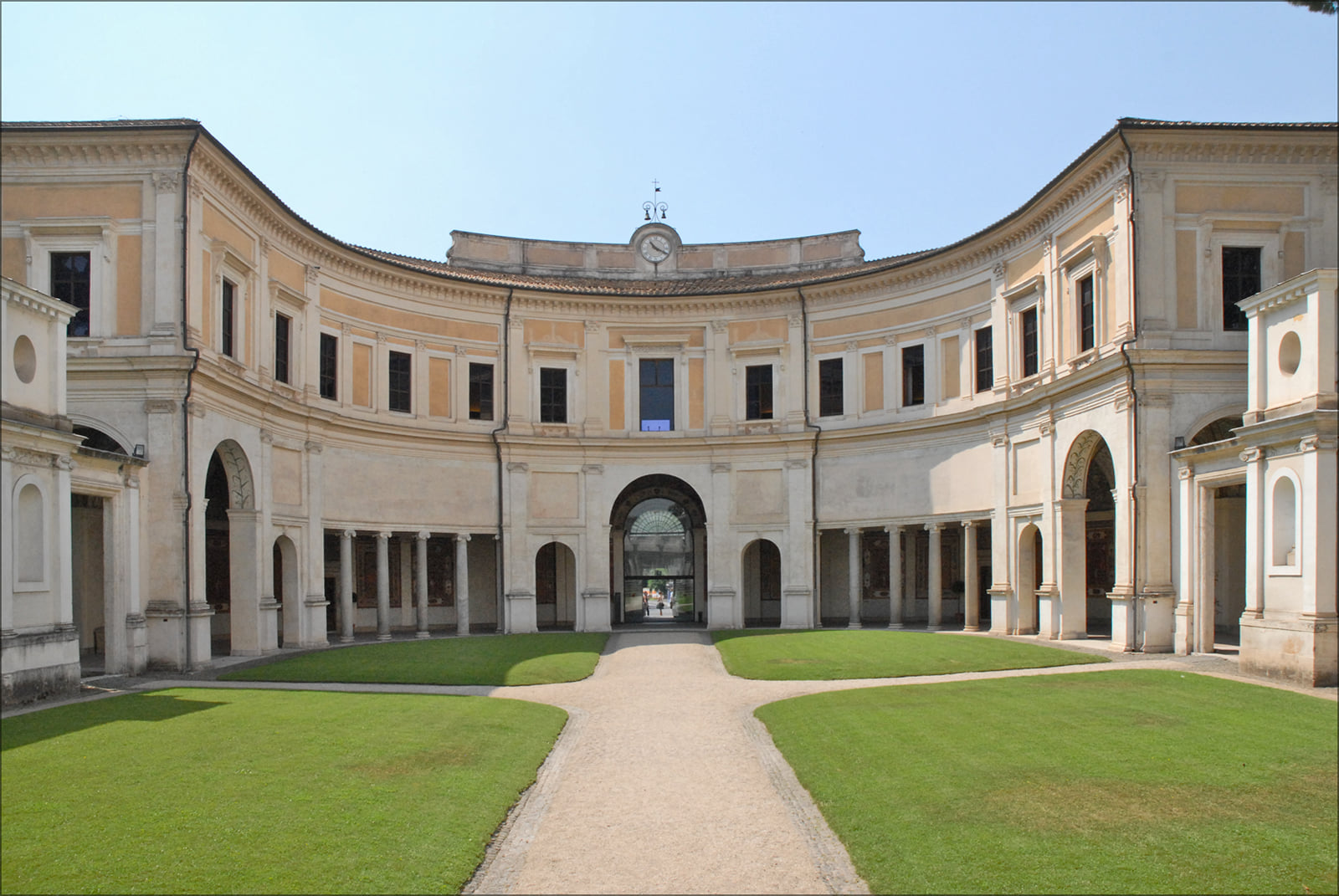
National Etruscan Museum of Villa Giulia Entrance Tickets
Piazzale di Villa Giulia 9, 00196 Roma
It is housed in two splendid Renaissance villas: Villa Giulia and Villa Poniatowski.
Built by Pope Julius III, Giovanni Maria Ciocchi del Monte, between 1550 and 1555, Villa Giulia is divided into two courtyards separated by a nymphaeum, with the participation of great artists such as Giorgio Vasari, Jacopo Barozzi da Vignola, Bartolomeo Ammannati and Michelangelo Buonarroti. Part of the decorative apparatus is the work of Taddeo Zuccari and Prospero Fontana.
The hemicycle is decorated with delicate pictorial interventions inspired by the grotesques of the Domus Aurea. The rooms host an extraordinary cycle of frescoes depicting the Seven Hills of Rome.
Destined as a museum since 1889, it is today one of the most representative museums of Etruscan art. It houses finds coming in particular from southern Etruria, that is from the territory corresponding to Upper Lazio, between the Tiber and the Tyrrhenian Sea, an extremely rich place of evidence from various eras and various civilizations (Etruscan, Greek, Phoenician, Faliscan), being a natural meeting point, a traffic crossroads along the main communication routes of the central Mediterranean.
The finds are exposed according to a topographical criterion starting from the contexts of Vulci, Bisenzio, Veio and Cerveteri. Among the most famous works are the bronzes from Vulci, the terracotta decoration from the Sanctuary of Portonaccio in Veio, including the famous Apollo (6th century BC), the Sarcophagus of the Spouses from Cerveteri. Furthermore, the Pyrgi Tablets (Santa Severa), with inscriptions in Etruscan and Phoenician (dating back to the end of the 6th century BC) and the relief of the fictile pediment, always from Pyrgi, with the myth of the "Sette contro Tebe", (first half of the 5th century BC).
Private collections are instead organized according to a typological criterion. Of notable importance among the latter are the Barberini collection, the Pesciotti collection and the Castellani collection, which includes some extremely significant jewels for the study of Etruscan jewellery.
Of great interest is the Faliscan-Capenate section, which houses materials from the middle Tiber valley centres such as Corchiano, Vignanello, Nepi, Narce and in particular Falerii Veteres (Civita Castellana) with terracotta sculptures, including the extraordinary Apollo of the Scasato, from the decorations of the sanctuaries in the area.
The Museum offers numerous itineraries that make it possible to admire the underground areas of the Villa, such as the nymphaeum, the remains of the Virgin aqueduct (Augustan age) and the "neviera" of Pope Julius III.
Furthermore, between 1889 and 1890, the life-size reproduction of the Temple of Alatri was carried out in the gardens of Villa Giulia. It is an Etruscan-Italic temple dating from the 3rd to the 2nd century BC.
Villa Poniatowski is the second venue of ETRU. Inaugurated in 2012, it is embellished with pools and fountains and a large garden formed by terraced terraces decorated with ancient sculptures. Giuseppe Valadier transformed it into a villa at the beginning of the nineteenth century on behalf of Stanislao Poniatowski, the last descendant of the Kings of Poland.
Operated by weekend a firenze
Free cancellation
from $383.38
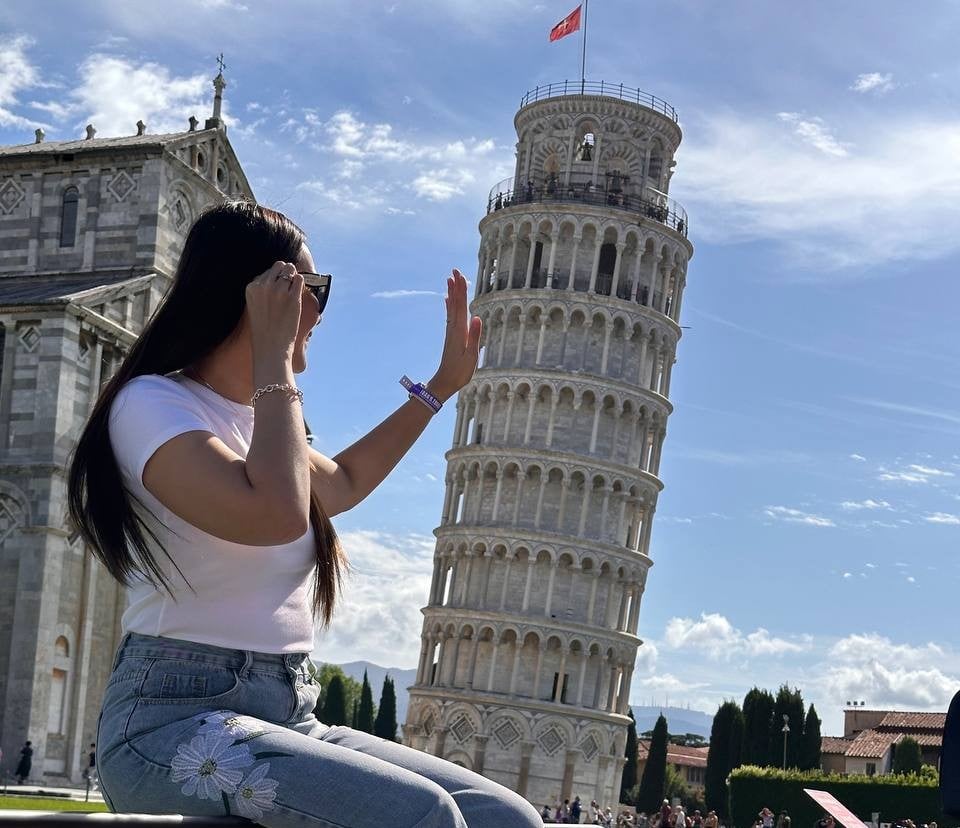
Pisa
Free cancellation
from $230.69
Free cancellation
from $340.54

Pienza
Free cancellation
from $494.33

Florence
Free cancellation
from $164.78
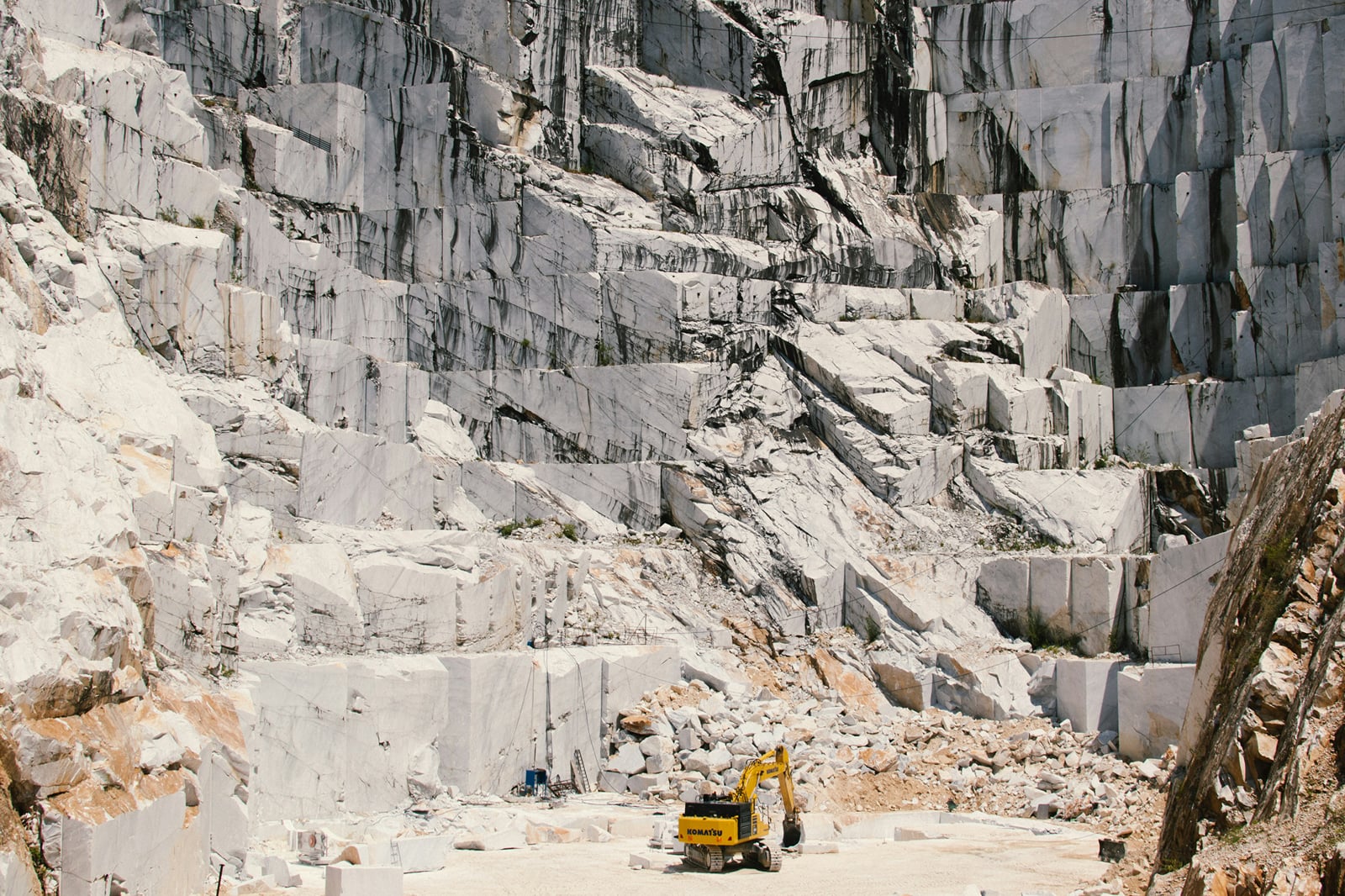
Carrara
Free cancellation
from $181.26
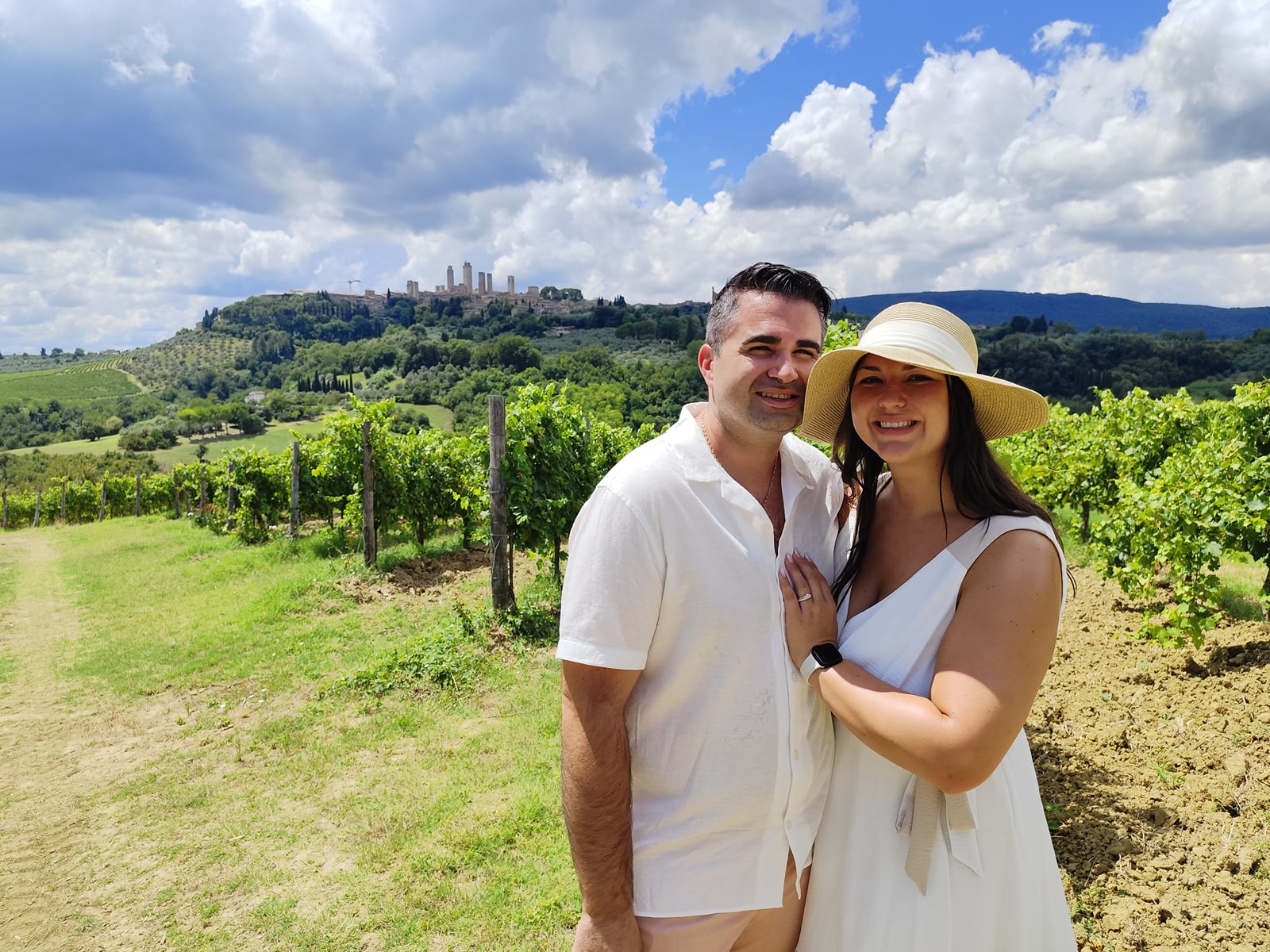
Florence
Free cancellation
from $571.23
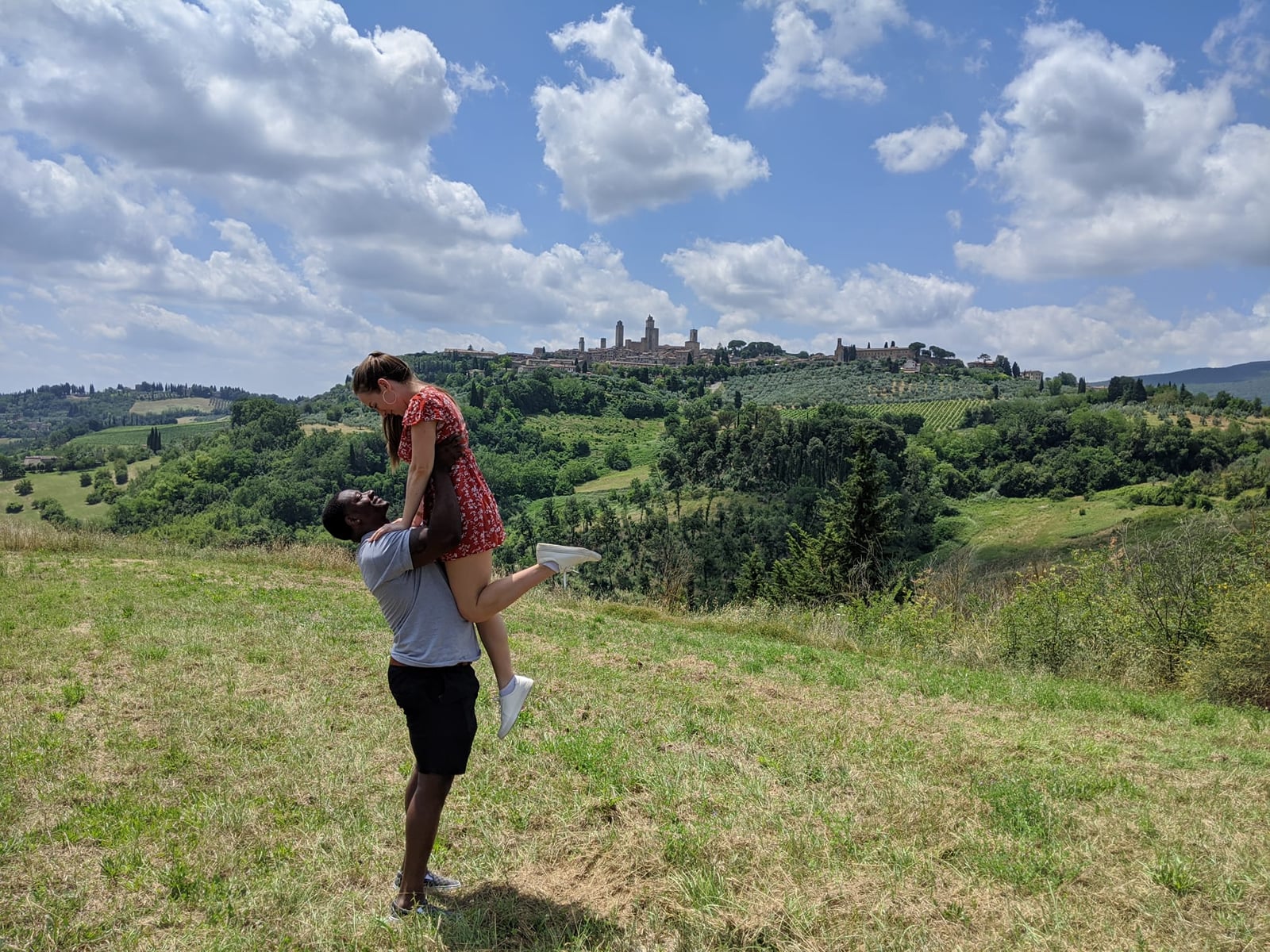
San Gimignano
Free cancellation
from $604.18
from
$23.07 per person