Florence
Pisa, Siena and San Gimignano Day Trip with optional Lunch & Wine Pairing
4.8(7,671)rated 4.8 out of 5 from 7671 reviews Full day
Free cancellation
from $51.31
Loading experience…
From$17.58per person
Final price, including all taxes and fees
Palazzo Grimani was the home of one of the most important families of the Venetian patriciate until the middle of the 19th century. It was purchased
purchased at the end of the 15th century by the patrician Antonio Grimani, a protagonist in the political and in the political and military life of the Republic of Venice, elected Doge in 1521.
The property was later bequeathed by Antonio to his four sons and became the home of this branch of the family, then called called "di Santa Maria Formosa".
Palazzo Grimani
Rugagiuffa 4858, 30122 Venezia
The Museum of Palazzo Grimani was originally the residence of Antonio Grimani (Doge from 1521 to 1523); the current building is the result of architectural interventions carried out between 1532 and 1569 on behalf of his heirs, Vittore, Procurator of San Marco, and Giovanni, Patriarch of Aquileia.
The latter, in particular, intervened directly in the design, perhaps using suggestions from Sanmicheli (to whom the entire fabbrica has been attributed in the past), but above all referring to Sebastiano Serlio's treatise. The result is a unique example in the Venetian context: among other things, the striking tribune room with its pyramidal skylight is particularly striking. The fusion of different artistic cultures can also be seen in the wonderful pictorial decorations of the staircase and the rooms on the second floor, where painters such as Federico Zuccari, Francesco Salviati, Giovanni da Udine, Lambert Sustris and Camillo Mantovano worked.
The palace housed the art and archaeological collections of Cardinal Domenico Grimani and of Giovanni, Patriarch of Aquileia, who also donated important parts of their collections to the Republic, thus giving birth to the public statuary of the Serenissima. The historical-artistic aspect of the monument reflects the taste and the cultural policy of the Grimani family, which played out its fortunes - social, economic, political - between the two fundamental centers: Venice and Rome.
This makes Palazzo Grimani a unique example in the Venetian context, comparable in cultural importance, with a distinction between private and public commissions, to the works of Jacopo Sansovino for the area of St. Mark's Square, for the realization of which the contribution of this family was fundamental.
Palazzo Grimani
Rugagiuffa 4858, 30122 Venezia
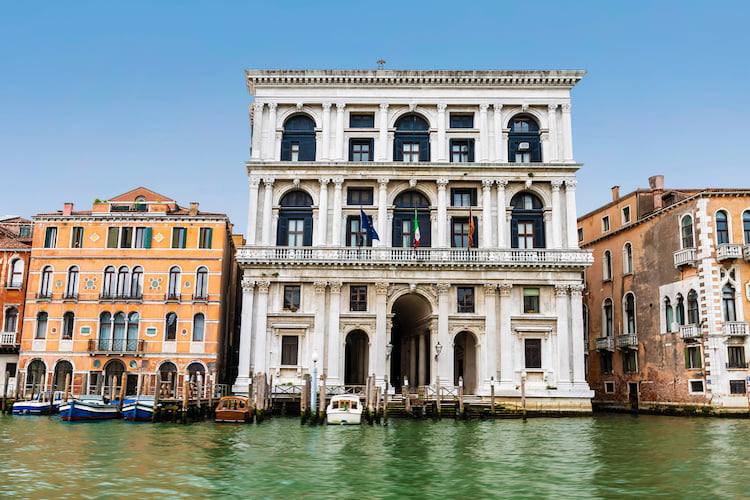
The Museum of Palazzo Grimani was originally the residence of Antonio Grimani (Doge from 1521 to 1523); the current building is the result of architectural interventions carried out between 1532 and 1569 on behalf of his heirs, Vittore, Procurator of San Marco, and Giovanni, Patriarch of Aquileia.
The latter, in particular, intervened directly in the design, perhaps using suggestions from Sanmicheli (to whom the entire fabbrica has been attributed in the past), but above all referring to Sebastiano Serlio's treatise. The result is a unique example in the Venetian context: among other things, the striking tribune room with its pyramidal skylight is particularly striking. The fusion of different artistic cultures can also be seen in the wonderful pictorial decorations of the staircase and the rooms on the second floor, where painters such as Federico Zuccari, Francesco Salviati, Giovanni da Udine, Lambert Sustris and Camillo Mantovano worked.
The palace housed the art and archaeological collections of Cardinal Domenico Grimani and of Giovanni, Patriarch of Aquileia, who also donated important parts of their collections to the Republic, thus giving birth to the public statuary of the Serenissima. The historical-artistic aspect of the monument reflects the taste and the cultural policy of the Grimani family, which played out its fortunes - social, economic, political - between the two fundamental centers: Venice and Rome.
This makes Palazzo Grimani a unique example in the Venetian context, comparable in cultural importance, with a distinction between private and public commissions, to the works of Jacopo Sansovino for the area of St. Mark's Square, for the realization of which the contribution of this family was fundamental.
Operated by weekend a firenze
Florence
Free cancellation
from $51.31
Florence
Free cancellation
from $71.41
Florence
Free cancellation
from $64.82
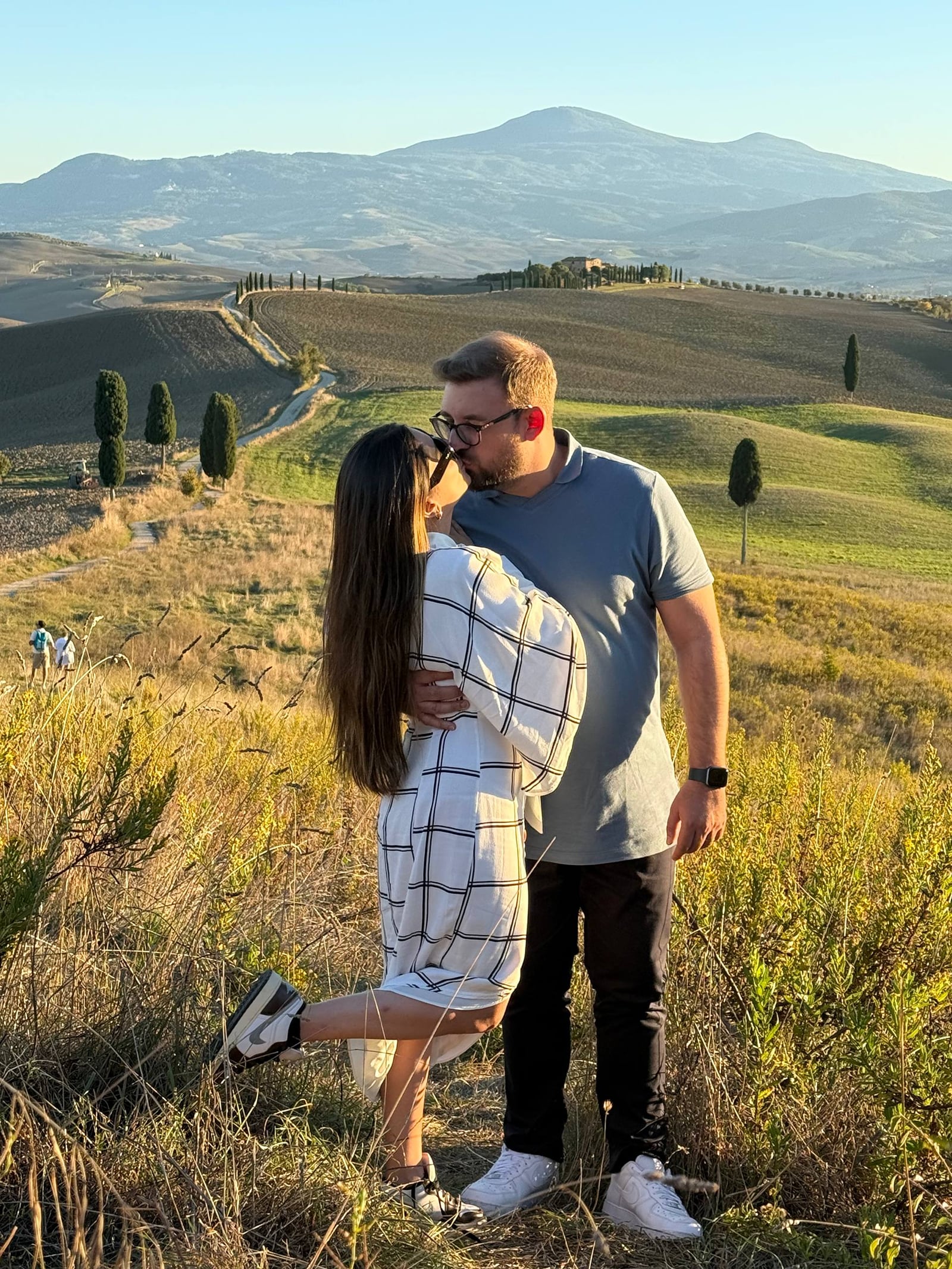
Pienza
Free cancellation
from $494.33
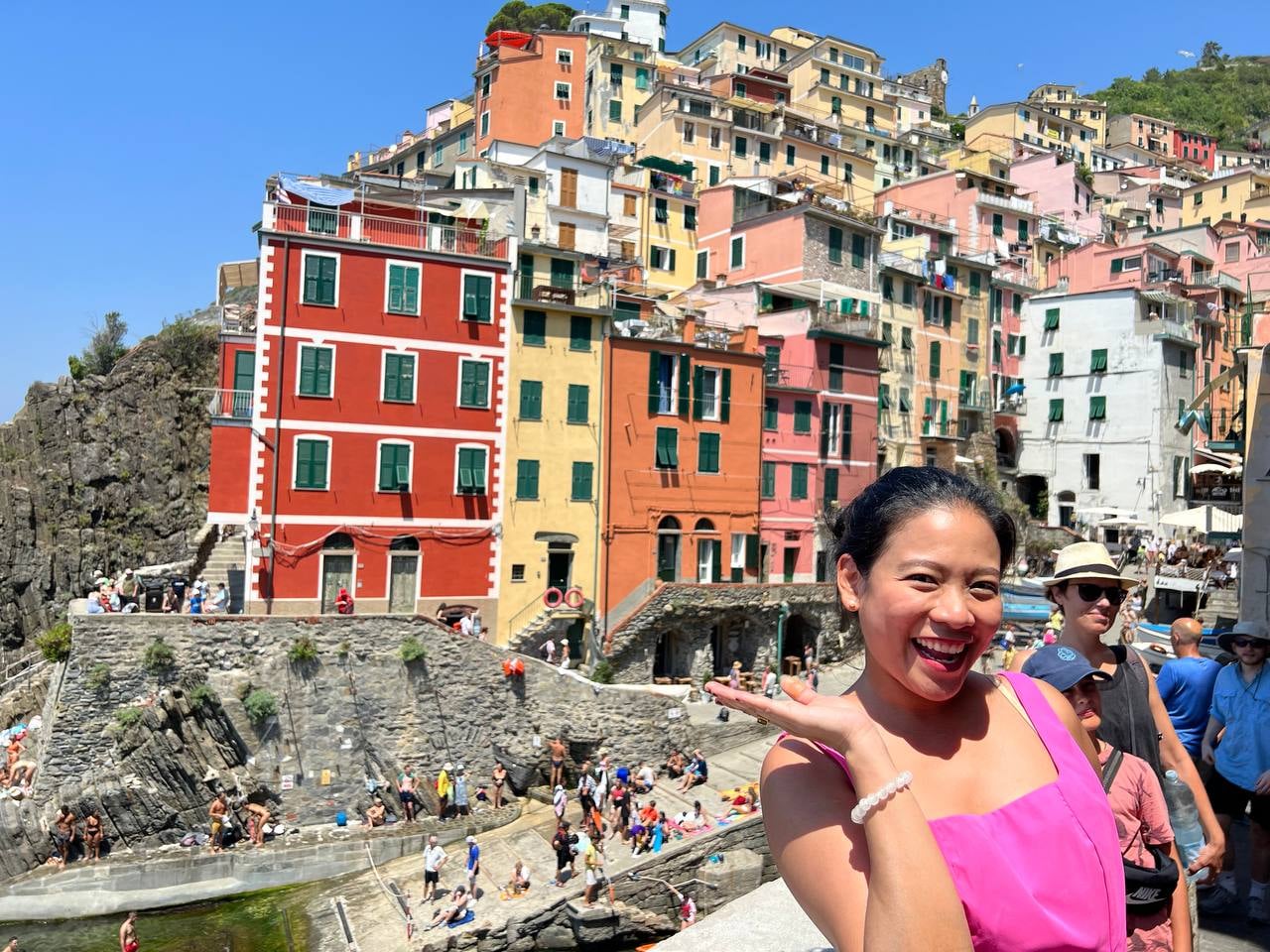
Free cancellation
from $340.54
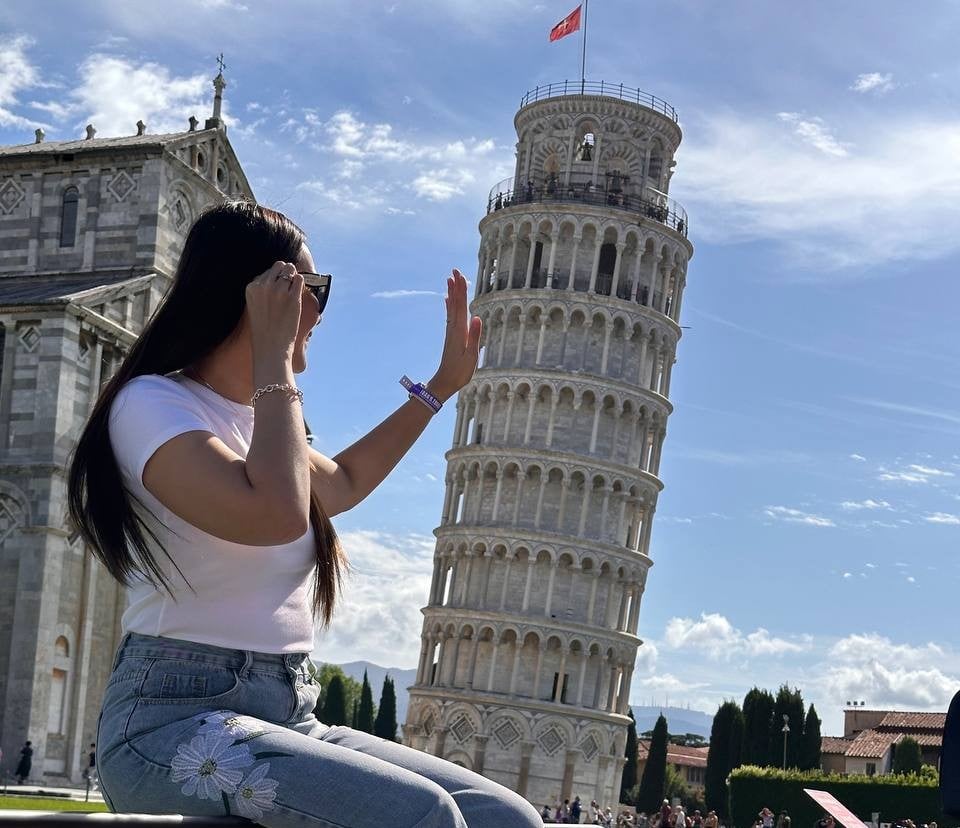
Pisa
Free cancellation
from $230.69
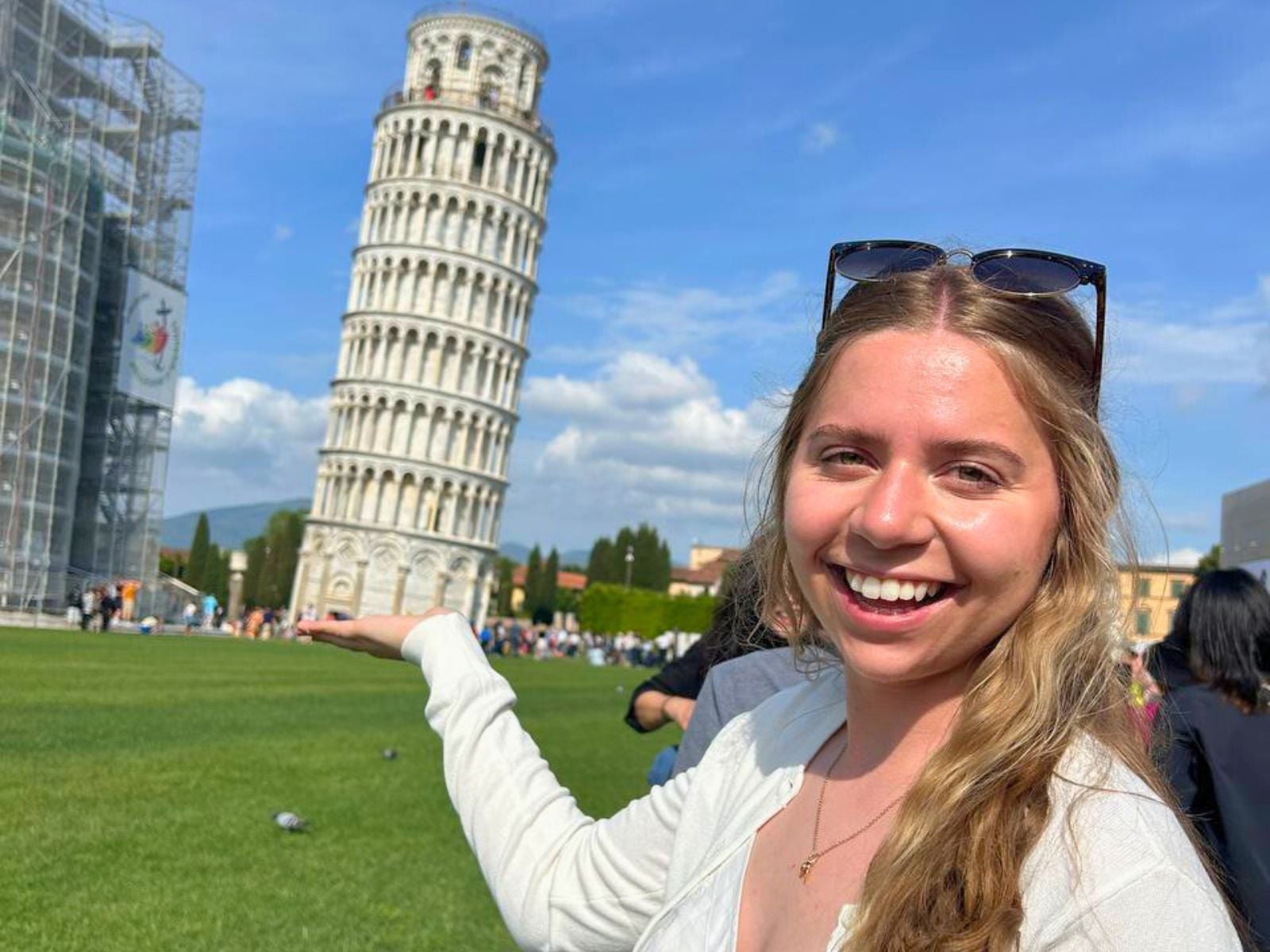
Free cancellation
from $383.38
Florence
Free cancellation
from $164.78
from
$17.58 per person