Florence
Pisa, Siena and San Gimignano Day Trip with optional Lunch & Wine Pairing
4.8(7,671)rated 4.8 out of 5 from 7671 reviews Full day
Free cancellation
from $51.31
Loading experience…
From$32.96per person
Final price, including all taxes and fees
The Pinacoteca di Brera was officially founded in 1809, although an initial heterogeneous collection of works had already existed since 1776 and was expanded in the following years for educational purposes, alongside the Academy of Fine Arts desired by Maria Theresa of Austria.
The corpus was intended to be a collection of exemplary works for the training of students. When Milan became the capital of the Kingdom of Italy, at the behest of Napoleon, the collection was transformed into a museum to display the most important paintings from all the territories conquered by the French armies. Thus, unlike other great Italian museums such as the Uffizi, Brera did not originate from the private collection of princes and aristocrats, but from political and state collecting.
In fact, from the early sixteenth century, partly as a result of the suppression of many religious orders, paintings confiscated from Lombard churches and monasteries were added to the collection, along with works of identical provenance from the various departments of the Kingdom of Italy. This origin explains the predominance in the collections of sacred paintings, often of large format, and gives the museum a particular physiognomy, only partially mitigated by subsequent acquisitions.
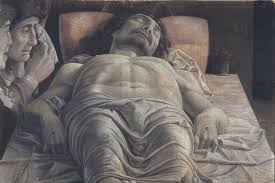
Today, the Picture Gallery plays a decisive role in the Milanese art scene. Its permanent collection offers an exceptional heritage of Italian and foreign masterpieces: among others, Mantegna's Dead Christ, Raphael's Marriage of the Virgin, Caravaggio's Supper of Emmaus and Hayez's The Kiss.
Pinacoteca di Brera Entrance Tickets
Via Brera 28, 20121 Milano
The Brera Picture Gallery was officially founded on August 15, 1809, by the will of Napoleon Bonaparte, on the basis of a small collection of works from 1776, intended for the training of students at the Academy of Fine Arts. Requisitions from churches and convents explain the predominance of sacred paintings: a physiognomy peculiar to the museum, only partially mitigated by subsequent acquisitions. Institutional autonomy has allowed the Pinacoteca, since 2015, to pursue the ambitious project of bringing Brera back to the heart of the city, placing the visitor at the center of the experience.
The dialogues around the Pinacoteca's masterpieces and some guest works stimulate comparisons and insights, and provide the opportunity to rearrange entire exhibition sections, accompanying the reorganization of the collection and the renewal of the cultural offer with a dense program of initiatives and events, including those of international importance.
The works, arranged in a single register, enhanced by the warm tones of the walls and special LED lighting, follow a chronological survey intertwined with a subdivision by regional schools of painting, with paintings from the provinces of Marche and, in particular, Veneto and Lombardy.
The rhythm of the exhibition emphasizes each work and is supported by guided tours, audio guides, texts printed directly on the walls and new captions in a popular style designed for different audiences.
Pinacoteca di Brera Entrance Tickets
Via Brera 28, 20121 Milano
The Pinacoteca di Brera was officially founded in 1809, although an initial heterogeneous collection of works had already existed since 1776 and was expanded in the following years for educational purposes, alongside the Academy of Fine Arts desired by Maria Theresa of Austria.
The corpus was intended to be a collection of exemplary works for the training of students. When Milan became the capital of the Kingdom of Italy, at the behest of Napoleon, the collection was transformed into a museum to display the most important paintings from all the territories conquered by the French armies. Thus, unlike other great Italian museums such as the Uffizi, Brera did not originate from the private collection of princes and aristocrats, but from political and state collecting.
In fact, from the early sixteenth century, partly as a result of the suppression of many religious orders, paintings confiscated from Lombard churches and monasteries were added to the collection, along with works of identical provenance from the various departments of the Kingdom of Italy. This origin explains the predominance in the collections of sacred paintings, often of large format, and gives the museum a particular physiognomy, only partially mitigated by subsequent acquisitions.
Today, the Picture Gallery plays a decisive role in the Milanese art scene. Its permanent collection offers an exceptional heritage of Italian and foreign masterpieces: among others, Mantegna's Dead Christ, Raphael's Marriage of the Virgin, Caravaggio's Supper of Emmaus and Hayez's The Kiss.
Operated by weekend a firenze
Florence
Free cancellation
from $51.31
Florence
Free cancellation
from $71.41
Florence
Free cancellation
from $64.82
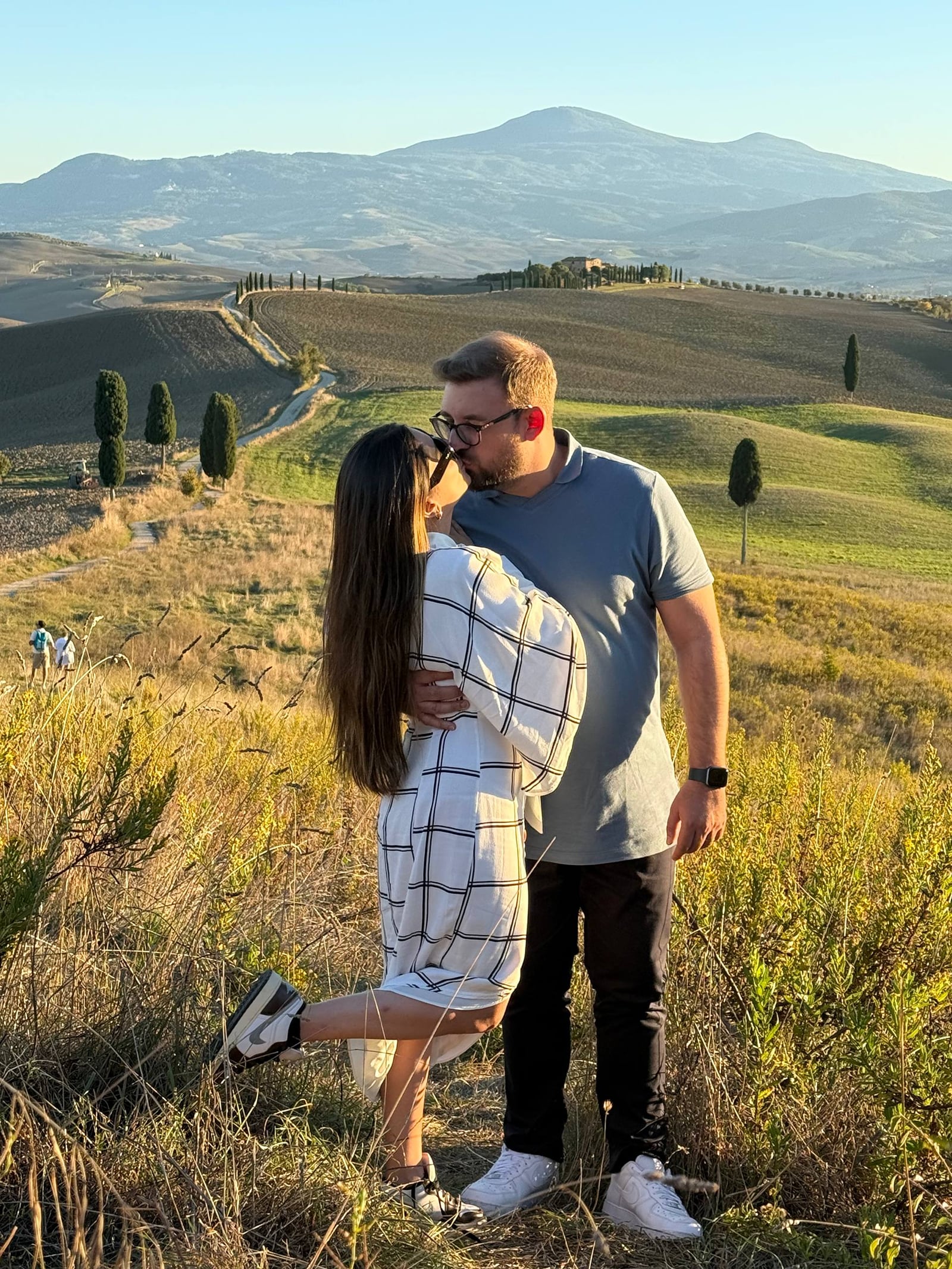
Pienza
Free cancellation
from $494.33
Free cancellation
from $340.54
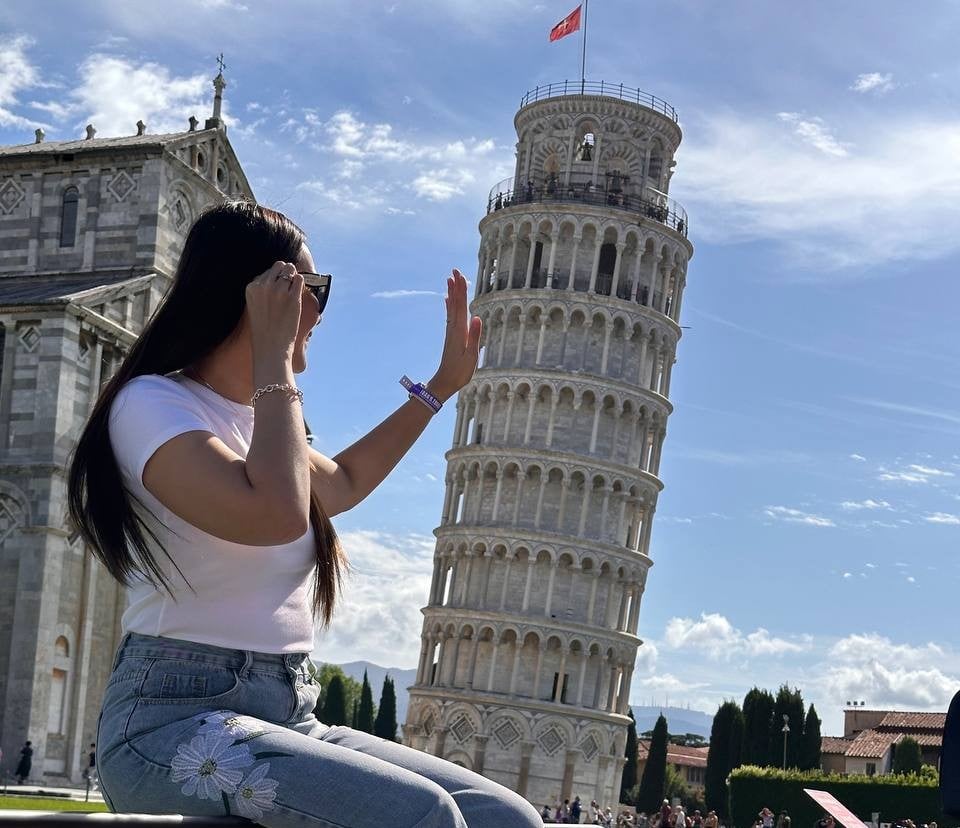
Pisa
Free cancellation
from $230.69
Free cancellation
from $383.38
Florence
Free cancellation
from $164.78
from
$32.96 per person